Friendship with God

Friendship is one of those things we all recognize, even though it's hard to define. If someone asked us to describe a good friend, we'd probably come up with a list of qualities like honesty, loyalty, kindness, trustworthiness, patience, and respect. Those qualities certainly matter, but they don't really capture what friendship is. In the end, friendship isn't something we can measure or reduce to a checklist. We simply know it when we experience it. Either someone is a true friend, or they aren't.
That same understanding can help us as we begin talking about one of the most important relationships in our lives—our friendship with God.
For many people, the idea of being friends with God feels a little strange. Perhaps that's because so many of us have grown up with confusing images of who God is. We've heard stories that portray God as angry, judgmental, demanding, or eager to punish people when they make mistakes. Yet we've also been told that God loves us unconditionally. It's no wonder some people struggle to make sense of those two very different pictures.
The good news is that a distorted picture of God doesn't make it an accurate one. Throughout Scripture, God's character is remarkably consistent. God is loving, faithful, dependable, patient, and compassionate. God's love doesn't fluctuate with our successes and failures. It isn't based on whether we've had a good day or a bad one. God doesn't wake up in a better or worse mood depending on what we've done. God's love remains steady because God's nature remains steady.
If there is inconsistency in the relationship, it usually comes from us, not from God.
Most of us are constantly changing. Our emotions shift. Our priorities change. One day we're full of confidence, and the next we're filled with doubt. Sometimes we seek God wholeheartedly, and other times we drift away without even realizing it. We often wish God would adjust to our moods, our plans, and our expectations. But healthy friendships don't work that way, and neither does friendship with God.
One of the greatest lessons in spiritual growth is learning to let God be God.
That sounds simple, but it isn't always easy. We naturally want to shape life according to our own desires. We want answers when we want them. We want circumstances to change when we think they should. We even find ourselves trying to negotiate with God, hoping that if we say the right prayers or do the right things, God will respond the way we want.
But friendship cannot be manipulated. It must be freely given.
God never forces a relationship upon us. God doesn't coerce us into a loving relationship or pressure us into obedience. Instead, God gives us the freedom to choose. We are free to believe, to doubt, to obey, to ignore, to love, or to walk away. That freedom is one of the greatest expressions of God's love because genuine friendship can never exist without it.
Of course, that doesn't mean God is indifferent to our choices.
Quite the opposite.
Like any loving friend, God desires what is best for us. Through prayer, through wise people, and through quiet prompting, God continually invites us toward healthier ways of living. But God will not force us to follow that guidance. And when we choose another path, God generally allows us to experience the natural consequences of our decisions. Those consequences are not God's revenge. More often, they are simply the lessons that life teaches us when we ignore wisdom.
Perhaps that's one of the most beautiful things about friendship with God. God never stops being our friend, even when we struggle to be faithful in return.
God doesn't have to be persuaded to love us. God doesn't withdraw friendship because we've had a bad week or made poor choices. God's love, guidance, forgiveness, and acceptance remain available every single day.
The invitation is always there.
The only question is whether we are willing to receive it.
In many ways, friendship with God becomes the model for every healthy human relationship. It teaches us to love without controlling, to guide without manipulating, to forgive without keeping score, and to remain faithful even when relationships become difficult. As we grow in friendship with God, we gradually learn how to become that kind of friend to others as well.
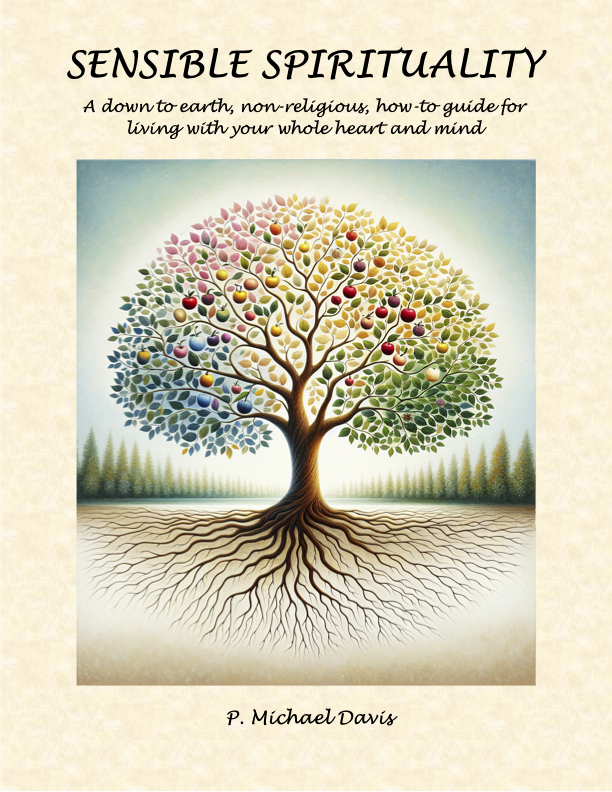
Sensible Spirituality
A down to earth, non-religious, how-to-guide for living with your whole heart and mind
While there are a multitude of books about personal development and spiritual growth, author and storyteller P. Michael Davis goes down a different path by offering a real-life conversation about how to build and maintain a positive and spiritually healthy life.
His approach is thoroughly non-religious, entertaining, and devoid of jaw clenching seriousness. He will walk you through the whys and how tos of spiritual awareness, spiritual relationship building, spiritual love, and spiritual parenting for children and adolescents.
Sensible Spirituality is available, by clicking the book cover above, in kindle, paperback, and audio book formats at Amazon.com.

Life Lessons Stories for Kids Young People and Grownups Who are Young at Heart
By P. Michael Davis
This original collection of enjoyable, entertaining, and inspirational stories communicates positive values and principles for happy and healthy living without being preachy, teachy, or boring. By bringing an assortment of unique, interesting, and appealing characters to life in these delightful tales, P. Michael Davis opens the gate into a world where things like kindness, compassion, hope, and perseverance live and thrive. He also clearly communicates important truths about how kids, young people, and grownups can build positive relationships and live in a meaningful and fulfilling way.
Please click the image above for more info and to buy this book.